


Legendary Horror Directors: Wes Craven
Updated: Oct 3

Wes Craven is one of the most influential architects of modern horror. Across his 40+ year career, Craven directed over 25 films, wrote more than a dozen screenplays, and produced numerous genre defining projects. His work reshaped horror in three different eras; the gritty exploitation wave of the 70s, the paranormal slasher boom of the 80s, and the meta horror comedy renaissance of the 90s. Few filmmakers have reinvented the genre as often or as boldly as Craven. RIP Wes Craven (1939-2015).
Making a LEGEND: Wes Craven
Wes Craven was born in 1939, in Cleveland. Raised in a strict religious household, he didn’t see his first movie until college, a late start that ironically helped him approach filmmaking with an outsider’s curiosity. After earning degrees in English and Philosophy, Craven taught humanities before transitioning into film in the early 1970s. His directorial debut, The Last House On The Left (1972), shocked audiences with its raw brutality and immediately positioned him as a fearless new voice in horror.
Craven’s career would go on to span exploitation, supernatural terror, psychological horror, and self‑aware satire, each era marked by a reinvention that kept him at the forefront of the genre.
Reinventing Fear
Craven’s early films were confrontational, violent, and deeply political. The Last House On The Left (1972) explored revenge and moral collapse with documentary like realism, while The Hills Have Eyes (1977) examined family survival against feral outsiders in the Nevada desert. These films cemented Craven as a director unafraid to push boundaries, blending social commentary with shocking imagery.
Though controversial, these works laid the foundation for Craven’s fascination with the darkness lurking beneath everyday American life, a theme he would revisit throughout his career.
A sure sign of a great film, both of these were later remade by different directors, The Last House On The Left (2009), and The Hills Have Eyes (2006).
Dream Logic & Nightmares
In 1984, Craven changed horror forever with A Nightmare on Elm Street. His villain, "Freddy Krueger", a dream stalking killer with a razor glove and a wicked sense of humour became an instant icon. The film’s blend of surreal dreamscapes, inventive kills, and psychological terror revitalized the slasher genre and launched one of horror’s most successful franchises.
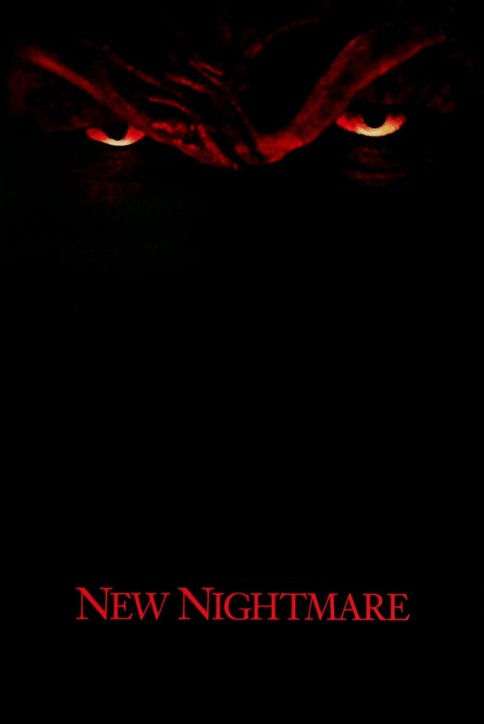
Craven only directed the original and New Nightmare (1994), but his creation dominated pop culture for decades. Freddy’s mythology, rules, and dream world logic showcased Craven’s ability to merge fantasy with fear in a way no other filmmaker had attempted.
Meta Horror and the Birth of Modern Slashers
Just when slashers were fading, Craven reinvented them again. Scream (1996) blended sharp satire with genuine suspense, introducing another iconic villain, "Ghostface", and a cast of characters who understood horror tropes as well as the audience did. Working with writer Kevin Williamson, Craven crafted a film that was both a love letter to the genre and a brutal critique of its clichés.
Scream was a worldwide box office hit and spawned a massive franchise. Its influence reshaped late 90s and early 2000s horror, inspiring countless self-aware slashers and revitalizing teen horror for a new generation.
Breaking Boundaries
Craven’s versatility extended far beyond slashers. The Serpent and the Rainbow (1988) explored Haitian voodoo culture with documentary realism, while Red Eye (2005) proved he could deliver tight, high stakes thrillers outside the supernatural realm. Craven consistently experimented with tone, genre, and style, never content to repeat himself.
Craven’s Legacy
Wes Craven reshaped horror in three distinct waves: the brutal realism of the 70s, the supernatural innovation of the 80s, and the meta horror revolution of the 90s. His characters, "Freddy Krueger", "Ghostface" and the "Hill People" became cultural icons. His films inspired generations of directors, from James Wan to Mike Flanagan, and his influence can be felt in everything from elevated horror to franchise filmmaking.
Craven proved that horror could be smart, emotional, funny, terrifying, and socially relevant; often all at once.
Craven’s Collaboration with Kevin Williamson
Craven’s partnership with screenwriter Kevin Williamson on Scream remains one of horror’s most successful creative alliances. Williamson’s razor sharp scripts paired perfectly with Craven’s mastery of tension and character driven storytelling. Together, they crafted a franchise that balanced satire with genuine fear, revitalizing slashers for a new era.
Their collaboration demonstrated how a director and writer can elevate genre conventions through trust, shared vision, and a willingness to challenge audience expectations.
Craven’s Influence on Modern Horror Filmmaking
Craven’s impact extends far beyond his own filmography. His willingness to experiment with structure, tone, and meta storytelling paved the way for modern horror’s blend of self-awareness and sincerity. Directors today emulate his balance of humour and terror, his focus on character empathy, and his ability to reinvent subgenres rather than simply repeat them.
Craven’s legacy lives on in the filmmakers he mentored, the franchises he created, and the genre he helped legitimize as a cornerstone of mainstream cinema.
Craven's Career Lows
Across his legendary career, Wes Craven had a handful of films where studio interference, rushed production, or mismatched tone dragged down his usual brilliance.
Cursed (2005) was famously sabotaged by the studio; the screenplay was rewritten, the cast was replaced mid shoot, and the studio re‑edited the film until Craven’s original werewolf mystery became a disjointed patchwork of competing visions.
The Hills Have Eyes Part II (1984) suffered from a tiny budget and a rushed schedule, resulting in a sequel that reused footage from the first film and lacked Craven's feral intensity.
Chiller (1985), a made‑for‑TV thriller, was constrained by network standards and limited resources, leaving its “man returned from cryogenic sleep” premise feeling flat and toothless.
Vampire in Brooklyn (1995) struggled with tonal whiplash, lead actor and writer, Eddie Murphy, wanted the film to be more comedy than horror, and the film never found a stable identity.
My Soul to Take (2010) was plagued by script issues and studio mandated 3D gimmicks, creating a muddled slasher that never fully committed to its mythology.
Scream 3 (2000), made under heavy censorship after the Columbine mass shooting in the USA, Craven was forced to soften violence, cut meta commentary, and work with a script constantly rewritten due to unavailable cast members. All of these factors resulting in the weakest entry of the trilogy despite flashes of his usual craft. Craven shot an alternate ending to Scream 3 that was rejected by the studio, it is available to watch and considered a big improvement.
These films don’t define Craven, but they reveal how even a master can falter when vision collides with circumstance.
Tap the poster links to take you to the film pages of each of Craven's best horror films.
Reviews, trailers, rate the films, add to your watchlist, find out where you can stream!




We hope you enjoyed this deep dive into Wes Craven's career and filmography.
Stay tuned to our blog for another director deep dive soon.
-Pumpkinhead

Comments